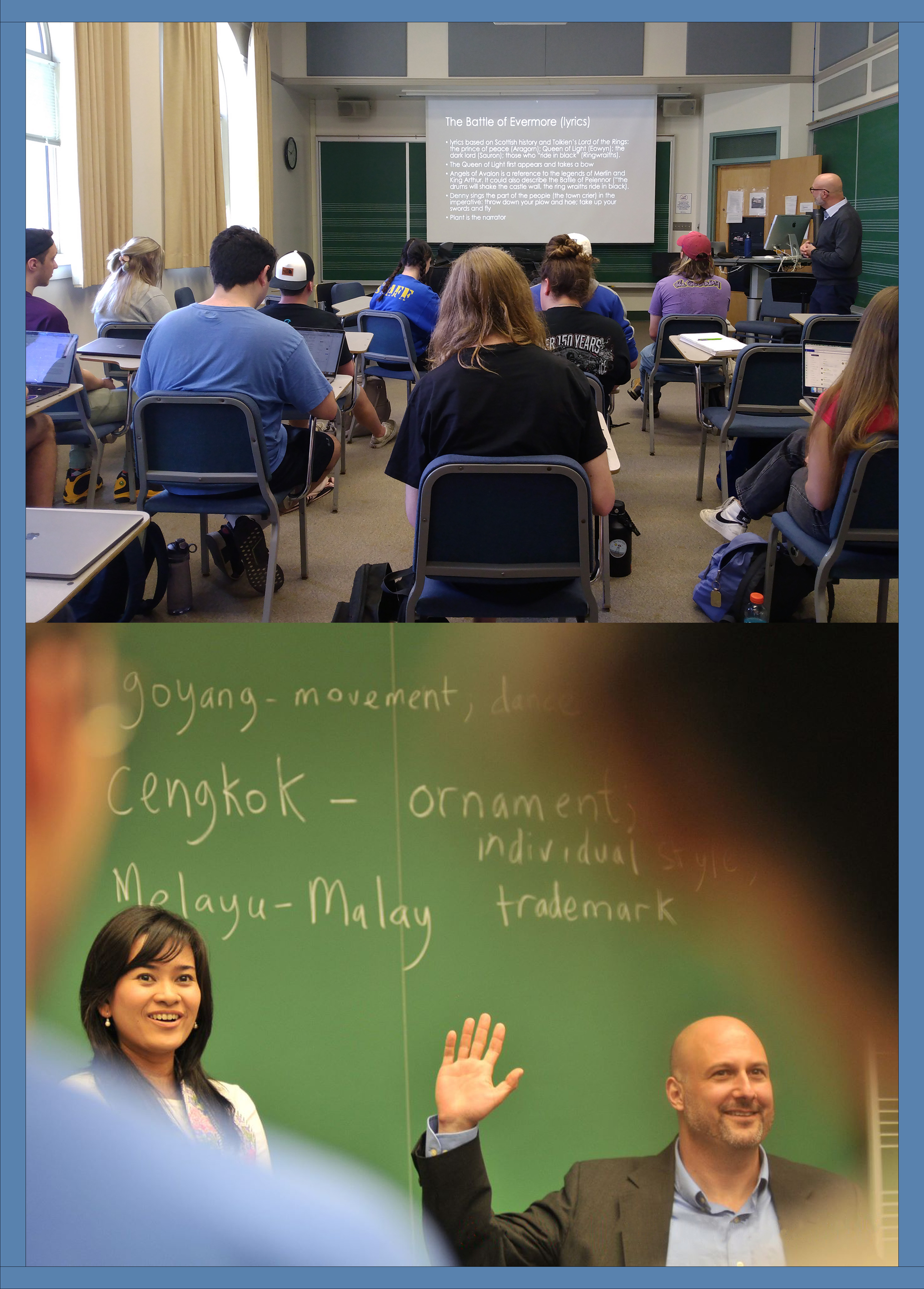
INTRODUCTION TO ETHNOMUSICOLOGY
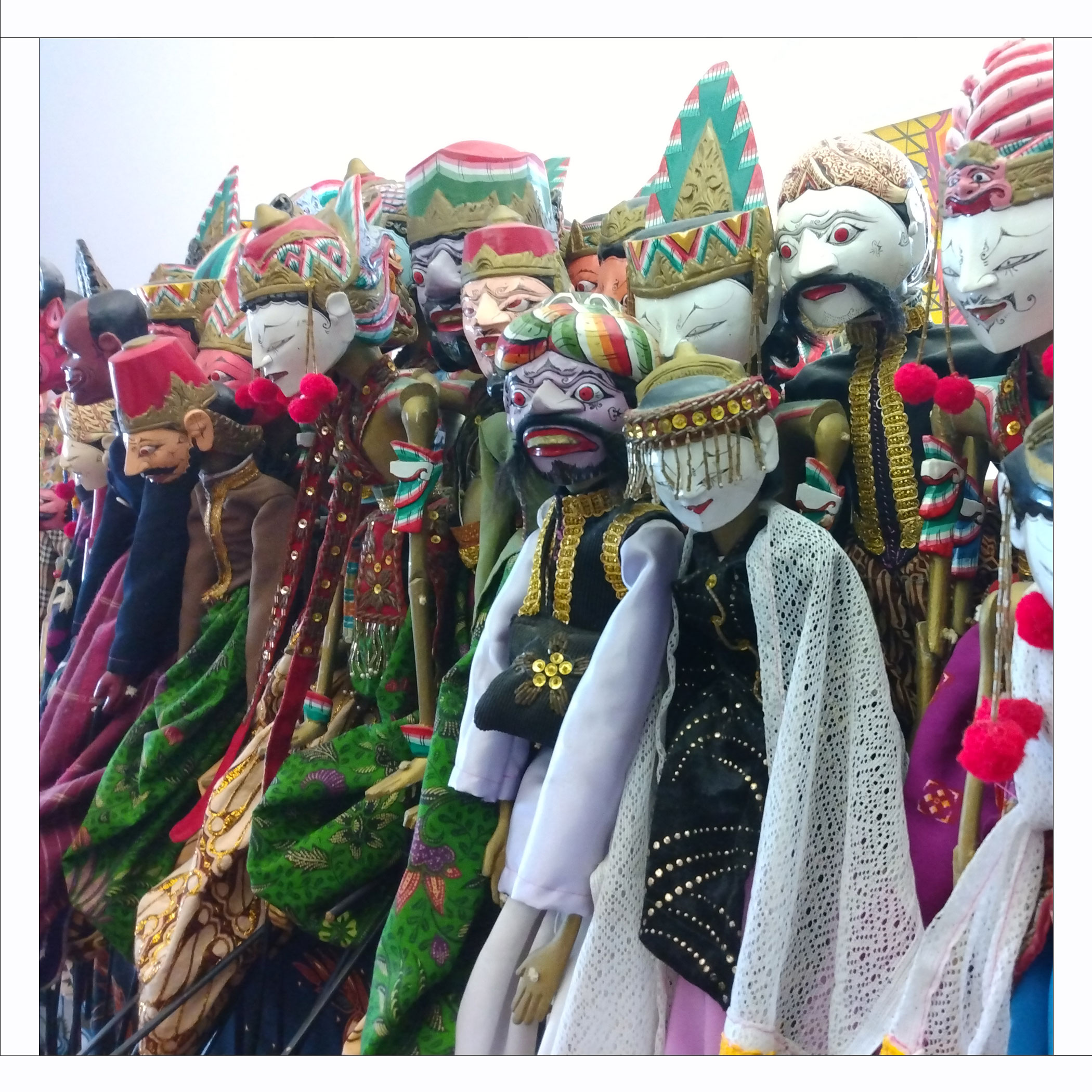
The course examines the formation of ethnomusicology through a survey of its intellectual history, theories, methodologies, and research practices. Students will read and discuss the works of major scholars in the field, and review their intellectual contributions. Students will also examine the interdisciplinary nature of ethnomusicology, particularly its relationship with historical musicology, anthropology, folklore, linguistics, communication, and cultural studies. A few special projects will complement theoretical discussions, and technical aspects of research activities commonly associated with the history of the field— such as fieldwork and transcription—will be briefly covered. (syllabus)
CULTURAL THEORY AND MUSIC
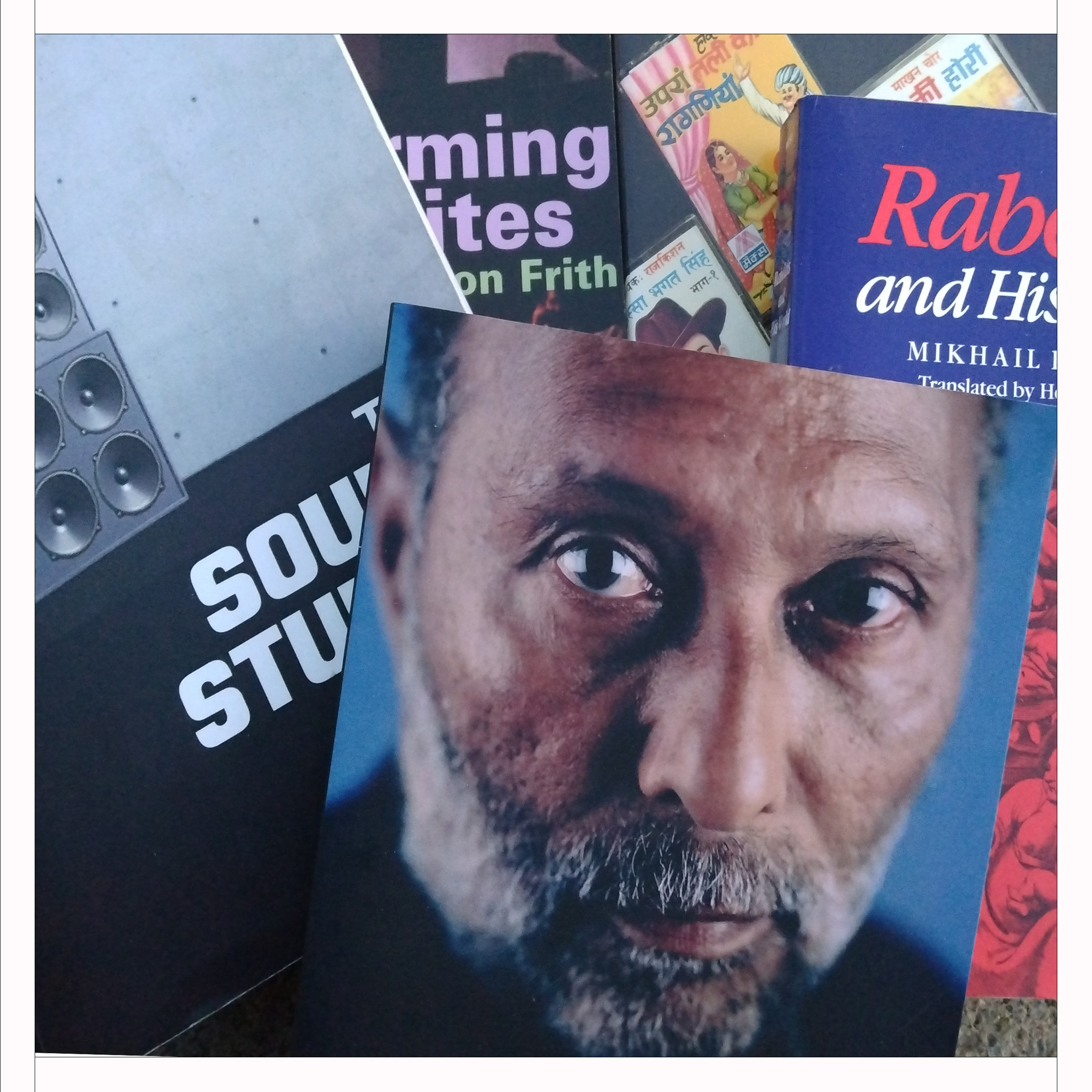
This seminar investigates culture as a focal point for interdisciplinary scholarship in music studies in both the humanities and the social sciences. We will explore the ways that contemporary music scholars study culture as social practice by engaging literature in areas such as semiotics, cultural materialism, postcolonial studies, critical race theory, sound studies, and gender studies. Emphasis will be placed on foundational as well as emerging theoretical perspectives with the aim of developing critical models for understanding music, sound, and culture in a rapidly changing geopolitical landscape. (syllabus)
FIELD AND LABORATORY METHODS
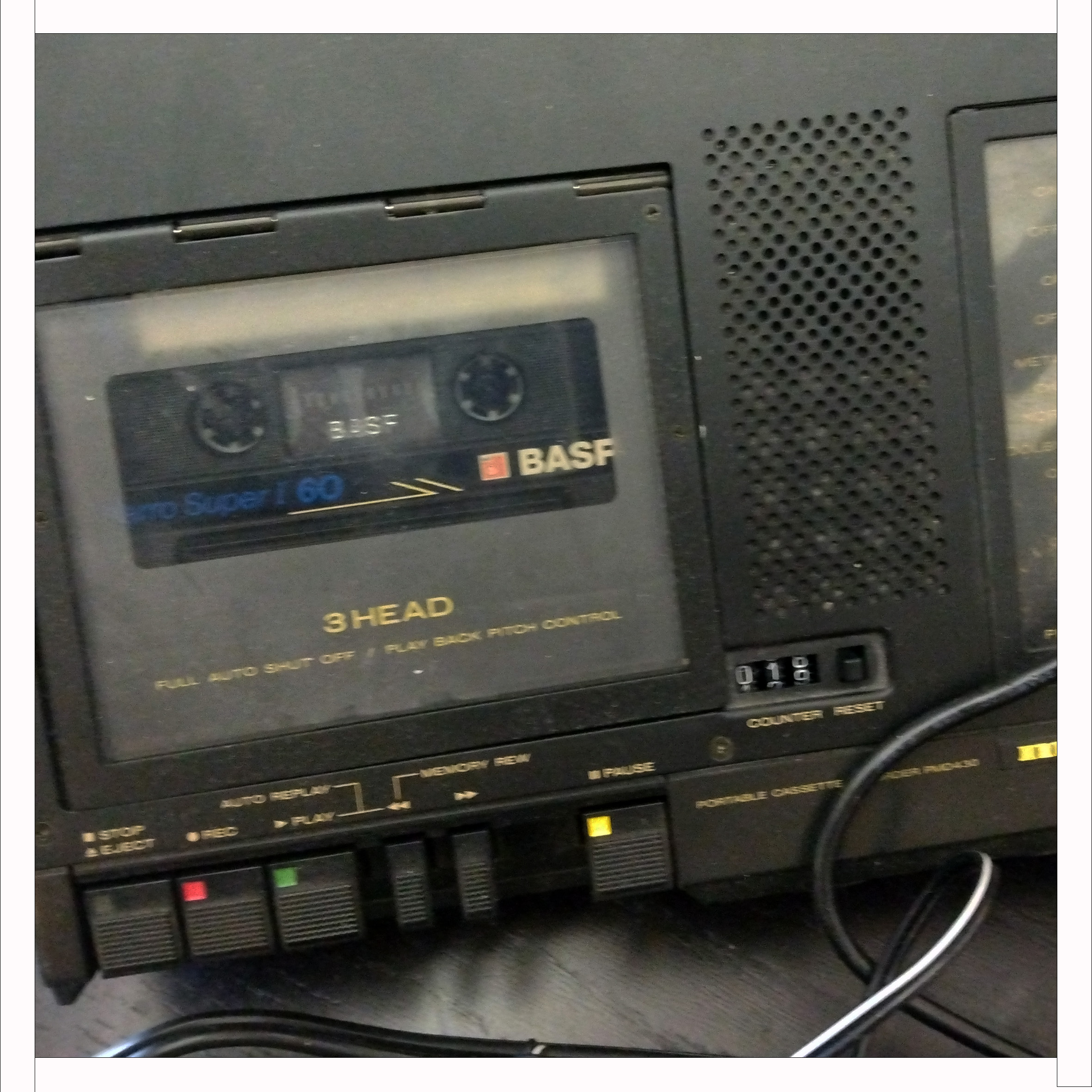
What does it mean to “do ethnography”? This course examines various approaches to the ethnography of music in relation to cultural and social life. Particular emphasis will be placed on theories, methods, and practices developed within the fields of ethnomusicology and anthropology. Students will leave this course at the end of the semester with theoretical grounding, practical training, and useful experience in ethnographic fieldwork. The course combines classroom study with an actual ethnographic research practicum, in which students, in consultation with the professor, will conduct exploratory fieldwork projects in the Pittsburgh area. The class sessions roughly follow a chronology from pre-fieldwork planning to post-fieldwork writing and representation of data. Students learn to develop practical skills including interviewing and eliciting techniques, the use of audio and video technology, data interpretation and analysis, ethical issues, archiving and storage techniques, and virtual ethnography. The class examines the history of ethnographic representation as a discursive practice that raises questions of authority, power, and cultural critique. (syllabus)
THE STUDY OF POPULAR MUSIC

The goal of this seminar is to provide a critical survey of the major issues addressed and methodologies used in the study of popular music. Readings for this course include works from a wide range of disciplines including musicology, ethnomusicology, sociology, anthropology, communication, cultural studies, history, and music journalism. The course will address the production of popular music, industries, technology, music in everyday life, genre and style, listening practices, and popular music as culture. We will pay close attention to popular music as a signifying practice: the ways in which social meanings are produced, mediated, negotiated, subverted, and celebrated in popular music. (syllabus)
MUSIC AND ECONOMICS
This course explores economics as a framework for understanding relationships between society and music, broadly defined. How is music theorized as a form of exchange in different social and economic contexts? What does it mean to do an economic analysis of music? How can we understand music as a form of economic exchange and value in relation to music’s affect, pleasure, and erotics? The first objective of this course is to read essential texts to grasp some key theoretical concepts including exchange; value; ideology; modes of production; labor; and consumption, among others. Our second objective is to examine and critique the ways in which economic theories have been productively synthesized within historical musicology, ethnomusicology, popular music studies, and music theory. We will explore case studies and debate different theoretical views about economic behavior, and discuss current trends in the world economy and discuss their effects on people. Genres, forms, and repertoires used for analysis and discussion will be inclusive. (syllabus)
MUSIC OF SOUTHEAST ASIA - SOUND, MUSIC AND ISLAM IN INDONESIA
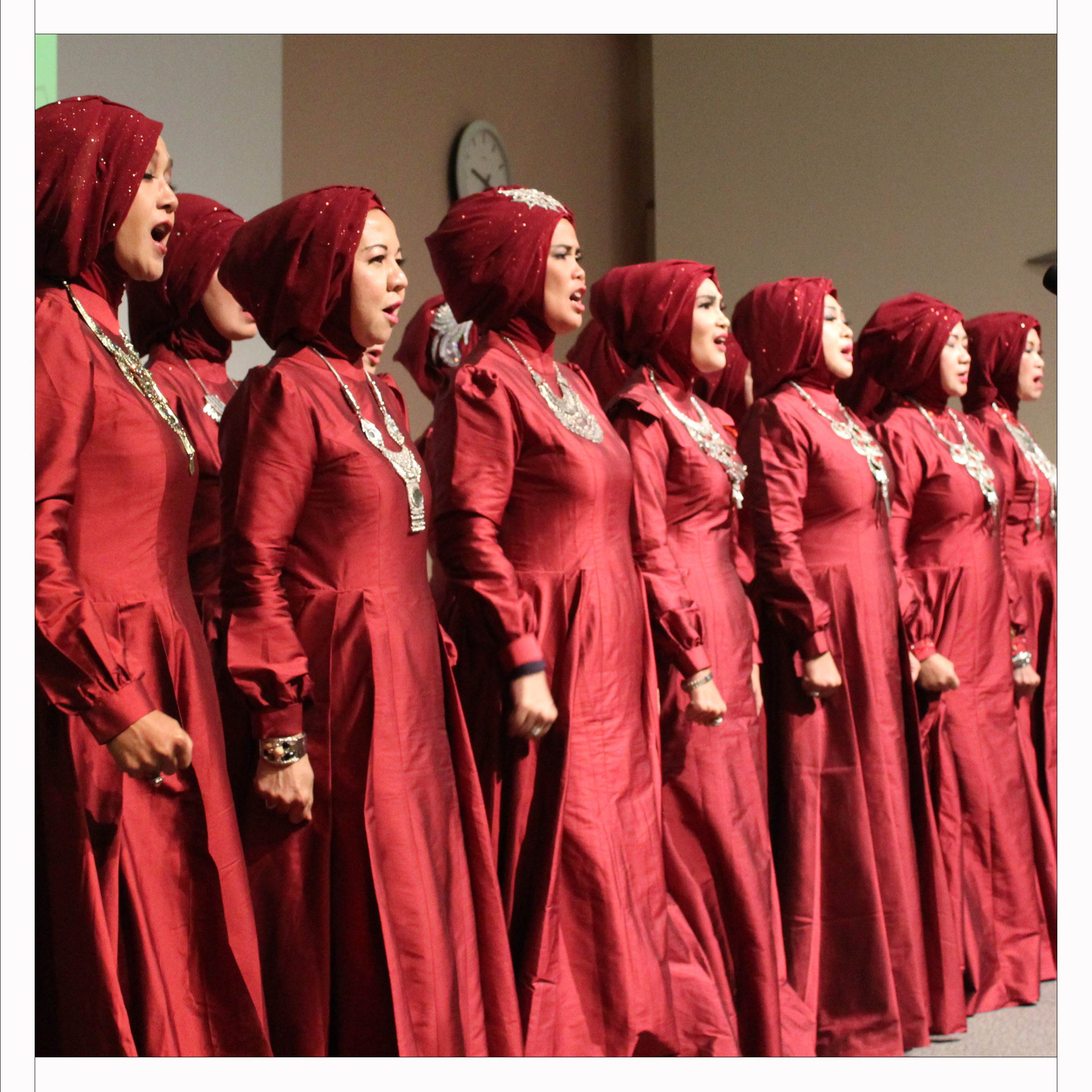
This course examines how Islamic ideas, values, and beliefs are socially situated and sonically practiced in Indonesia, the world’s largest majority-Muslim nation. The course is organized around key issues and concepts, and students will be exposed to important contemporary scholarship from a variety of theoretical, political, and disciplinary perspectives. Case studies will illuminate the ways in which sound, music, and Islam have been linked to changing social relations of gender, ethnicity, colonialism, capitalist development, nation-state formation, and globalization. (syllabus)
MUSIC OF THE BEATLES
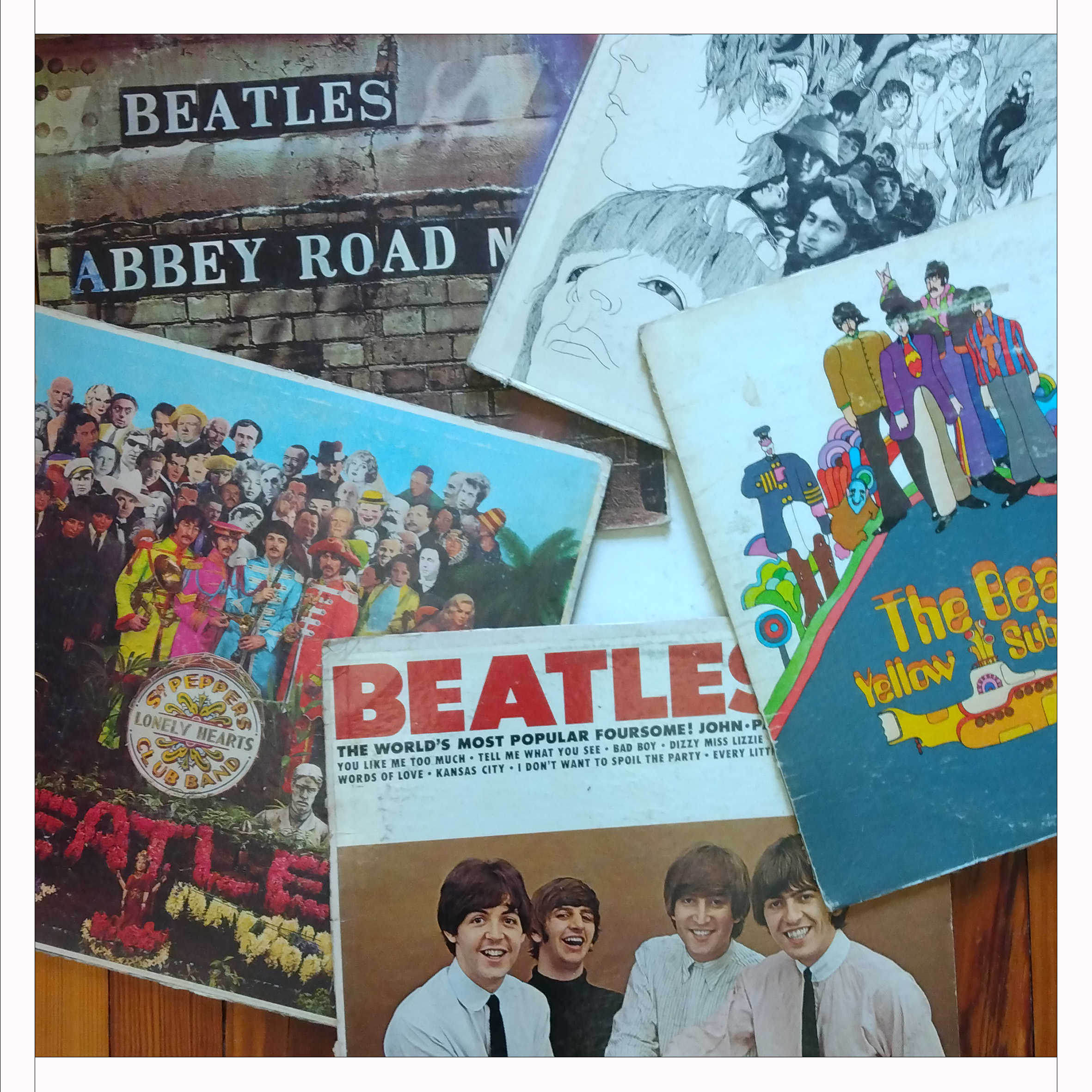
This course focuses on the life and music of the Beatles within the social and cultural context of the 1960s. We will consider the band’s formative influences; stylistic cross-influences with contemporary artists; song-writing and musical styles of individual members of the band; and the social and cultural conditions that shaped their music. Most importantly, we will pay close attention to the songs, numbering nearly 200 in commercial releases and astonishing for their variety and innovation. (syllabus)
MUSIC OF LED ZEPPELIN

This course focuses on the life and music of the band Led Zeppelin and the social and cultural conditions of the 1970s. Recipients of a Kennedy Center Honor for "lifetime contributions to American culture through the performing arts," Led Zeppelin is widely considered to be one of the most innovative, successful, and influential bands in the history of rock music. The class considers the band's formative influences; stylistic cross-influences with contemporary artists; and the song-writing and musical styles of individual band members. In this course, the band serves as a lightning rod for analyzing social issues of musical appropriation and race; gender and sexuality; Orientalism; and cultural rights and copyrights. The course pays close attention to the band's repertoire of songs (87 in all), which are astonishing for their variety and innovation. As progenitors of heavy metal, the course assesses the band’s influence of during the last fifty years, and their place in the history of rock music. (syllabus)
GAMELAN
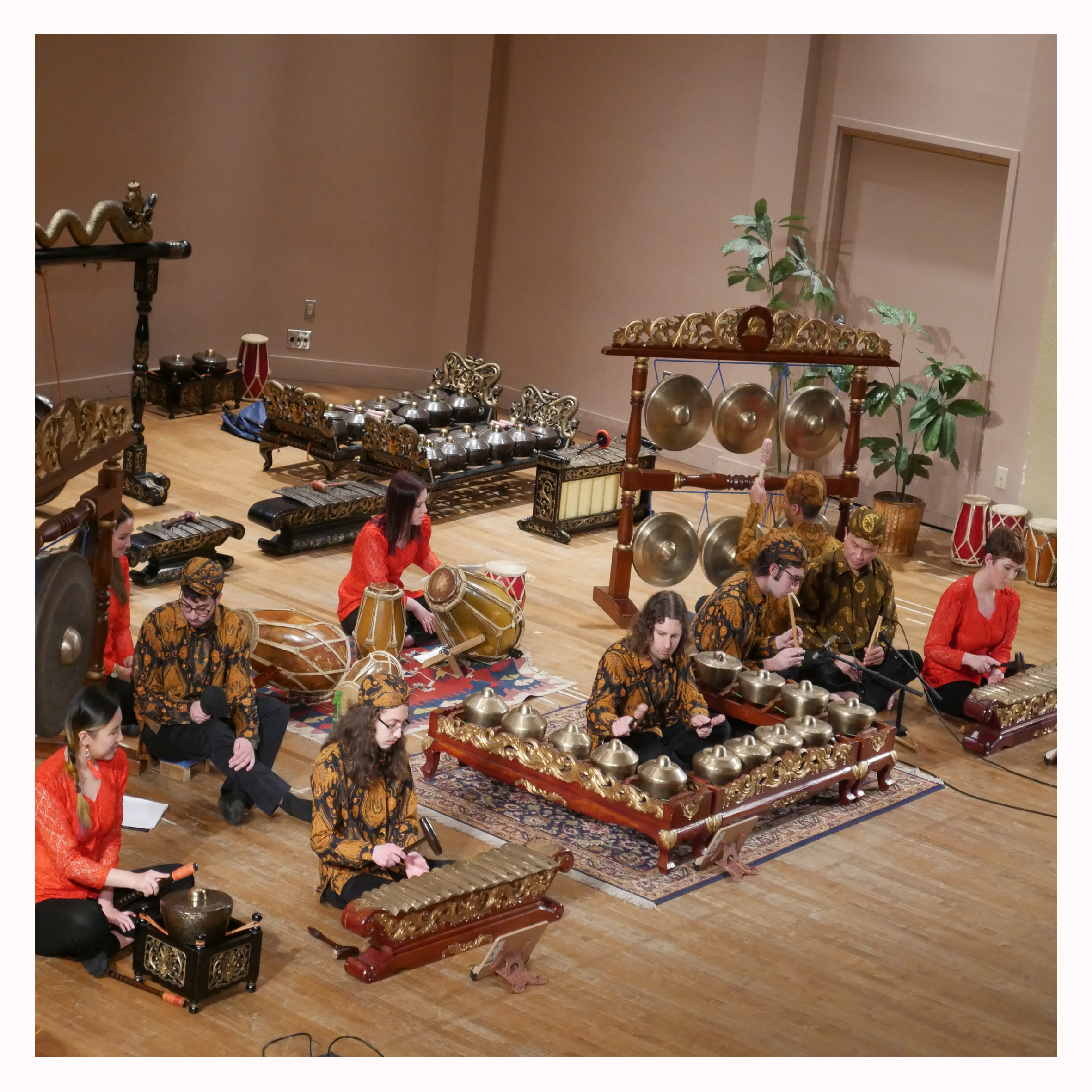
A gamelan is a set of mostly percussive instruments featuring tuned bronze gongs, bronze-keyed instruments, and drums. In the beginning of ensemble, students will learn how to perform simple compositions on several instruments as well as the basic organizing principles of Javanese traditional music. The advanced ensemble is made up of students invited to join after at least one semester of beginning gamelan. Students in the advanced group will learn more complex instruments and pieces. The ensemble will also perform publicly at least once every year.