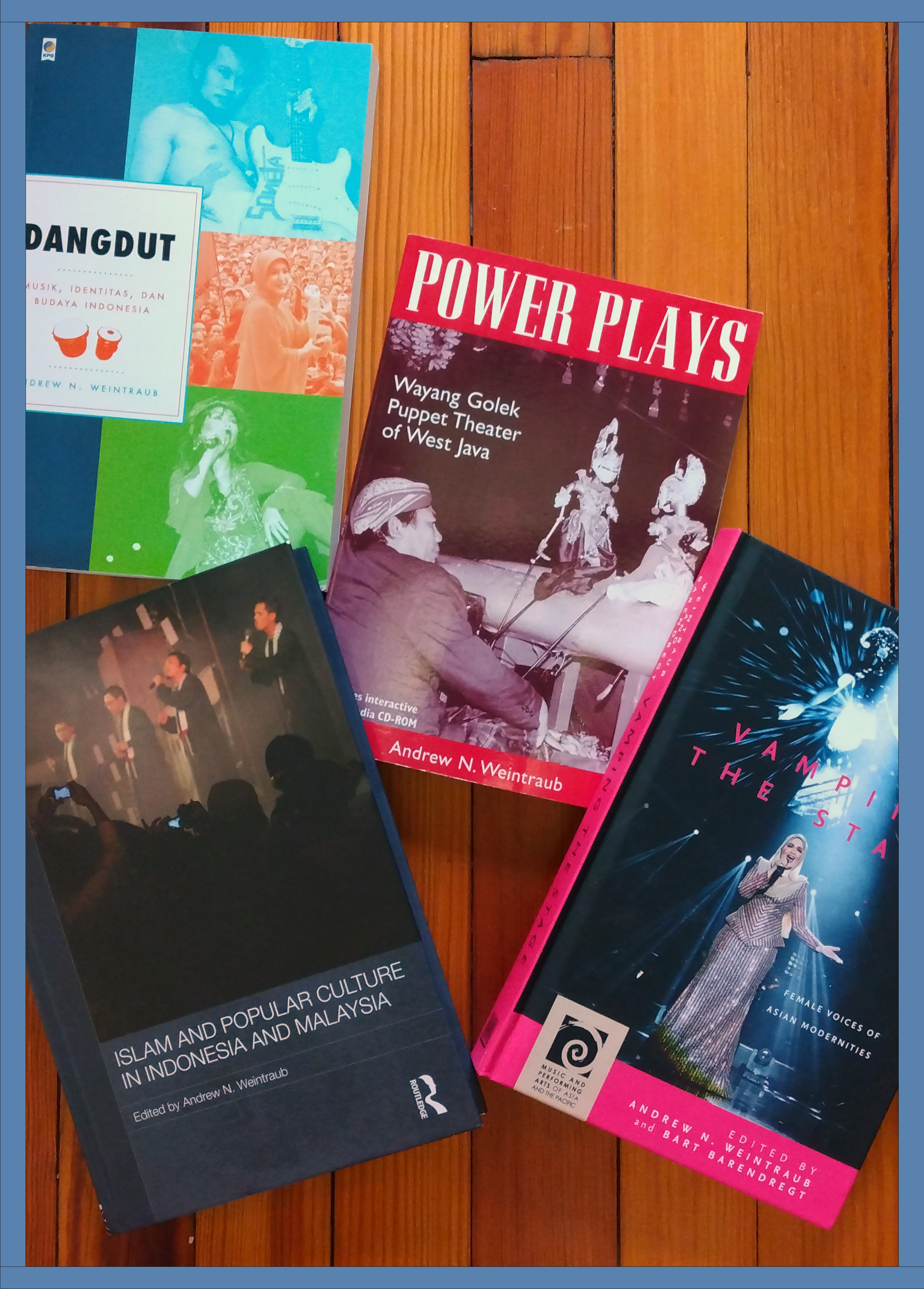
Vamping the Stage: Female Voices of Asian Modernities (co-editor with Bart Barendregt). Honolulu: University of Hawaii Press, 2017.
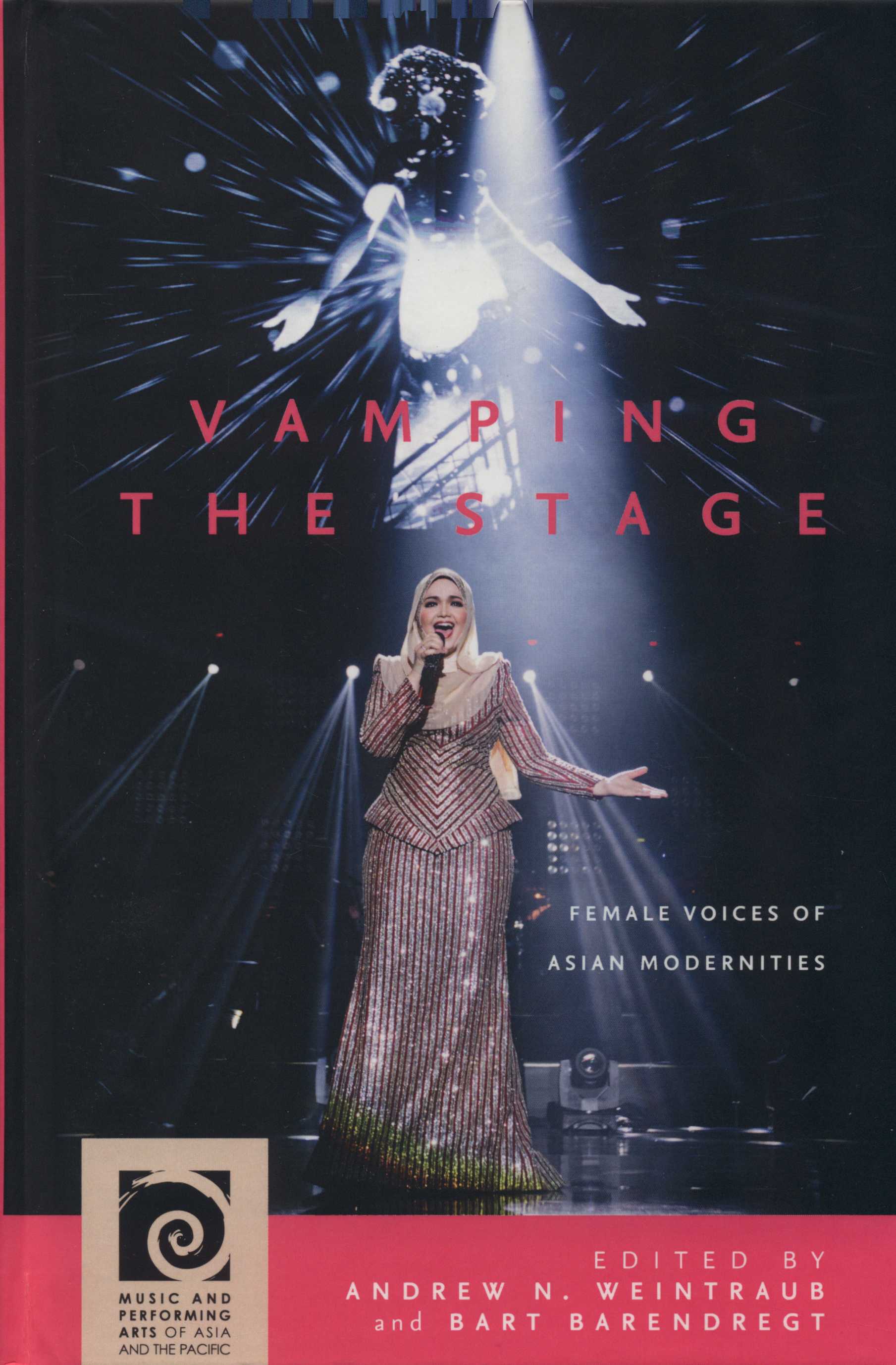
The emergence of modernity has typically focused on Western male actors and privileged politics and economy over culture. The contributors to this volume successfully unsettle such perspectives by emphasizing the social history, artistic practices, and symbolic meanings of female performers in popular music of Asia.
Women surfaced as popular icons in different guises in different Asian countries through different routes of circulation. Often, these women established prominent careers within colonial conditions, which saw Asian societies in rapid transition and the vernacular and familiar articulated with the novel and the foreign. These female performers were not merely symbols of times that were rapidly changing. Nor were they simply the personification of global historical changes. Female entertainers, positioned at the margins of intersecting fields of activities, created something hitherto unknown: they were artistic pioneers of new music, new cinema, new forms of dance and theater, and new behavior, lifestyles, and morals. They were active agents in the creation of local performance cultures, of a newly emerging mass culture, and the rise of a region-wide and globally oriented entertainment industry.
Vamping the Stage is the first book-length study of women, modernity, and popular music in Asia, showcasing cutting-edge research conducted by scholars whose methods and perspectives draw from such diverse fields as anthropology, Asian studies, cultural studies, ethnomusicology, and film studies. Led by an impressive introduction written by Weintraub and Barendregt, fourteen contributors analyze the many ways that women performers supported, challenged, and transgressed representations of existing gendered norms in the entertainment industries of China, Japan, India, Indonesia, Iran, Korea, Malaysia, and the Philippines. Placing women's voices in social and historical contexts, the essays explore salient discourses, representations, meanings, and politics of "voice" in Asian popular music.
Historicizing the artistic sounds, lyrical texts, and visual images of female performers, the essays reveal how women used popular music to shape the ideas, practices, and meanings of modernity in various Asian contexts and time frames. The ascendency of women as performers paralleled, and in some cases generated, developments in wider society such as suffrage, social and sexual liberation, women as business entrepreneurs and independent income earners, and particularly as models for new lifestyles. Women's voices, mediated through new technologies of film and the phonograph, changed the soundscape of global popular music and resonate today in all spheres of modern life.
Islam and Popular Culture in Indonesia and Malaysia (editor). London and New York: Routledge, 2011.
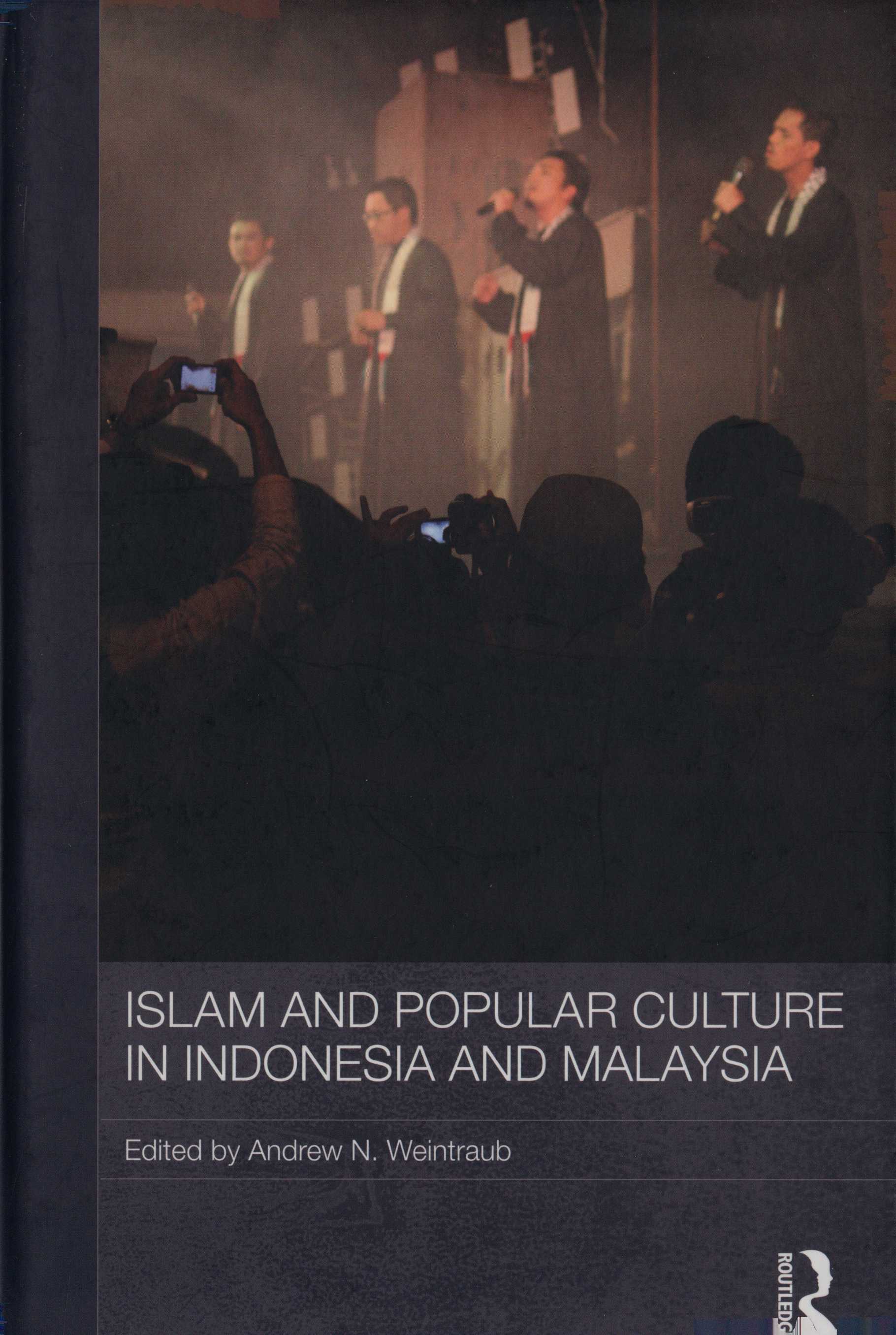
Home to approximately one-fifth of the world’s Muslim population, Indonesia and Malaysia are often overlooked or misrepresented in media discourses about Islam. Islam is a religion but there is also a popular culture, or popular cultures of Islam that are mass mediated, commercialized, pleasure-filled, humorous, and representative of large segments of society. During the last forty years, popular forms of Islam, targeted largely towards urbanized youth, have played a key role in the Islamization of Indonesia and Malaysia. This book focuses on these forms and the accompanying practices of production, circulation, marketing, and consumption of Islam. Dispelling the notion that Islam is monolithic, militaristic, and primarily Middle Eastern, the book emphasizes its dynamic, contested, and performative nature in contemporary South East Asia. Written by leading scholars alongside media figures, such as Rhoma Irama and Ishadi SK, the case studies although not focused on theology per se, illuminate how Muslims (and non-Muslims) in Indonesia and Malaysia make sense of their lives within an increasingly pervasive culture of Islamic images, texts, film, songs, and narratives.
Dangdut Stories: A Social and Musical History of Indonesia’s Most Popular Music. New York: Oxford University Press, 2010.
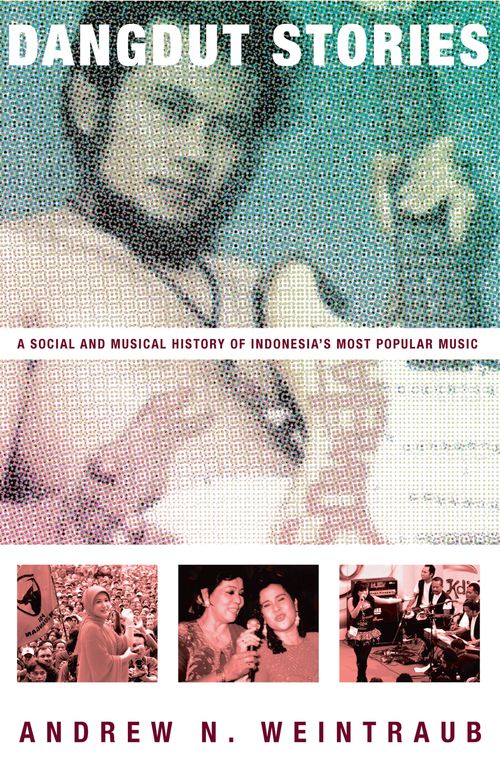
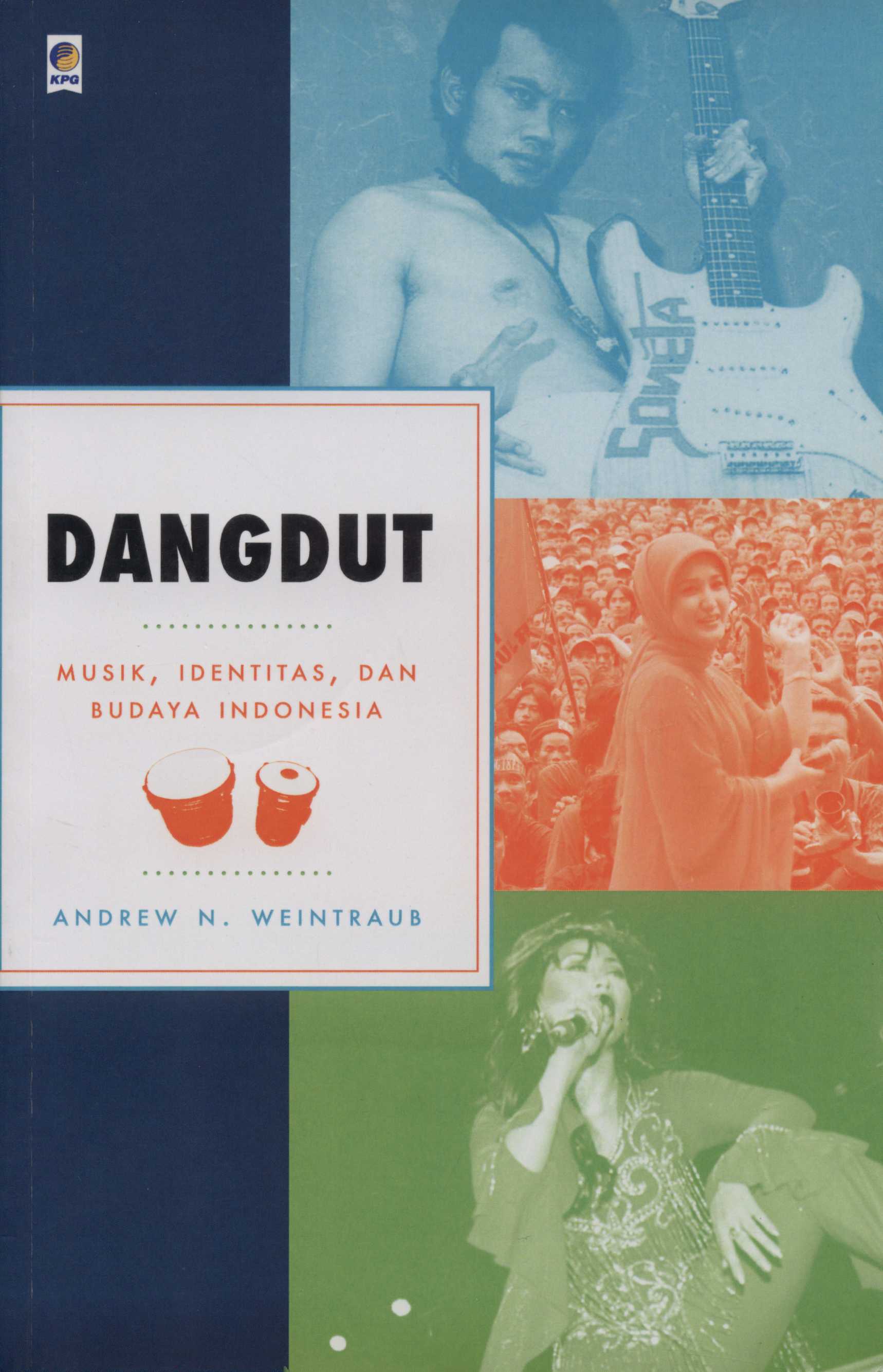
A keen critic of culture in modern Indonesia, Andrew N. Weintraub shows how a genre of Indonesian music called dangdut evolved from a denigrated form of urban popular music to a prominent role in Indonesian cultural politics and the commercial music industry. Dangdut--named onomatopoetically for the music's characteristic drum sounds "dang" and "dut"--is Indonesia's most popular music, heard in streets and homes, public parks and narrow alleyways, stores and restaurants, and all forms of public transportation. Despite dangdut's tremendous popularity in Indonesia and other parts of Asia, it has seldom received the serious critical attention it deserves.
Dangdut Stories is a social and musical history of dangdut within a range of broader narratives about class, gender, ethnicity, and nation in post-independence Indonesia (1945-present). Quoted material from interviews, detailed analysis of music and song texts, and ethnography of performance illuminate the stylistic nature of the music and its centrality in public debates about Islam, social class relations, and the role of women in postcolonial Indonesia.
Dangdut Stories is the first musicological study to examine the stylistic development of dangdut music itself, using vocal style, melody, rhythm, form, and song texts to articulate symbolic struggles over meaning. Throughout the book the voices and experiences of musicians take center stage in shaping the book's narrative. Dangdut was first developed during the early 1970s, and an historical treatment of the genre's musical style, performance practice, and social meanings is long overdue.
Dangdut: Musik, Identitas, dan Budaya Indonesia. Jakarta: Gramedia (Indonesian translation of Dangdut Stories).
Music and Cultural Rights (co-editor with Bell Yung). Urbana: University of Illinois Press, 2009.
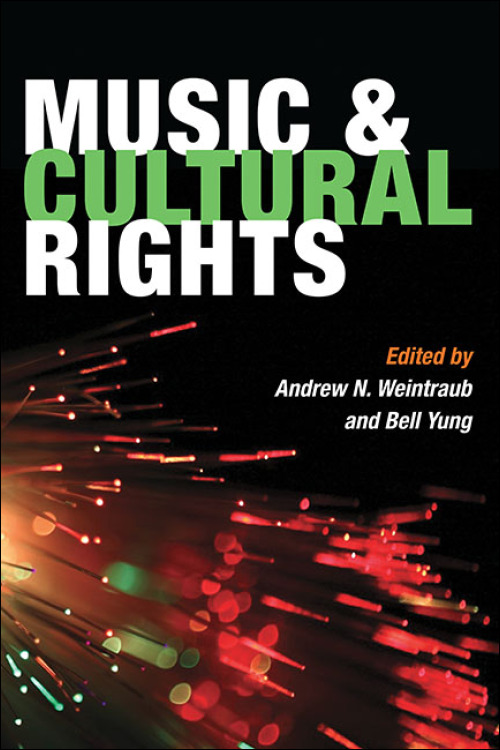
Framing timely and pressing questions concerning music and cultural rights, this collection illustrates the ways in which music--as a cultural practice, a commercial product, and an aesthetic form--has become enmeshed in debates about human rights, international law, and struggles for social justice. The essays in this volume examine how interpretations of cultural rights vary across societies; how definitions of rights have evolved; and how rights have been invoked in relation to social struggles over cultural access, use, representation, and ownership. The individual case studies, many of them based on ethnographic field research, demonstrate how musical aspects of cultural rights play out in specific cultural contexts, including the Philippines, China, Hawaii, Peru, Ukraine, and Brazil.
Supported by the Human Rights Division under the Peace and Social Justice Program of the Ford Foundation
Power Plays: Wayang Golek Puppet Theater of West Java. Athens, Ohio and Singapore: Ohio University Press/Institute of Southeast Asian Studies, 2004.
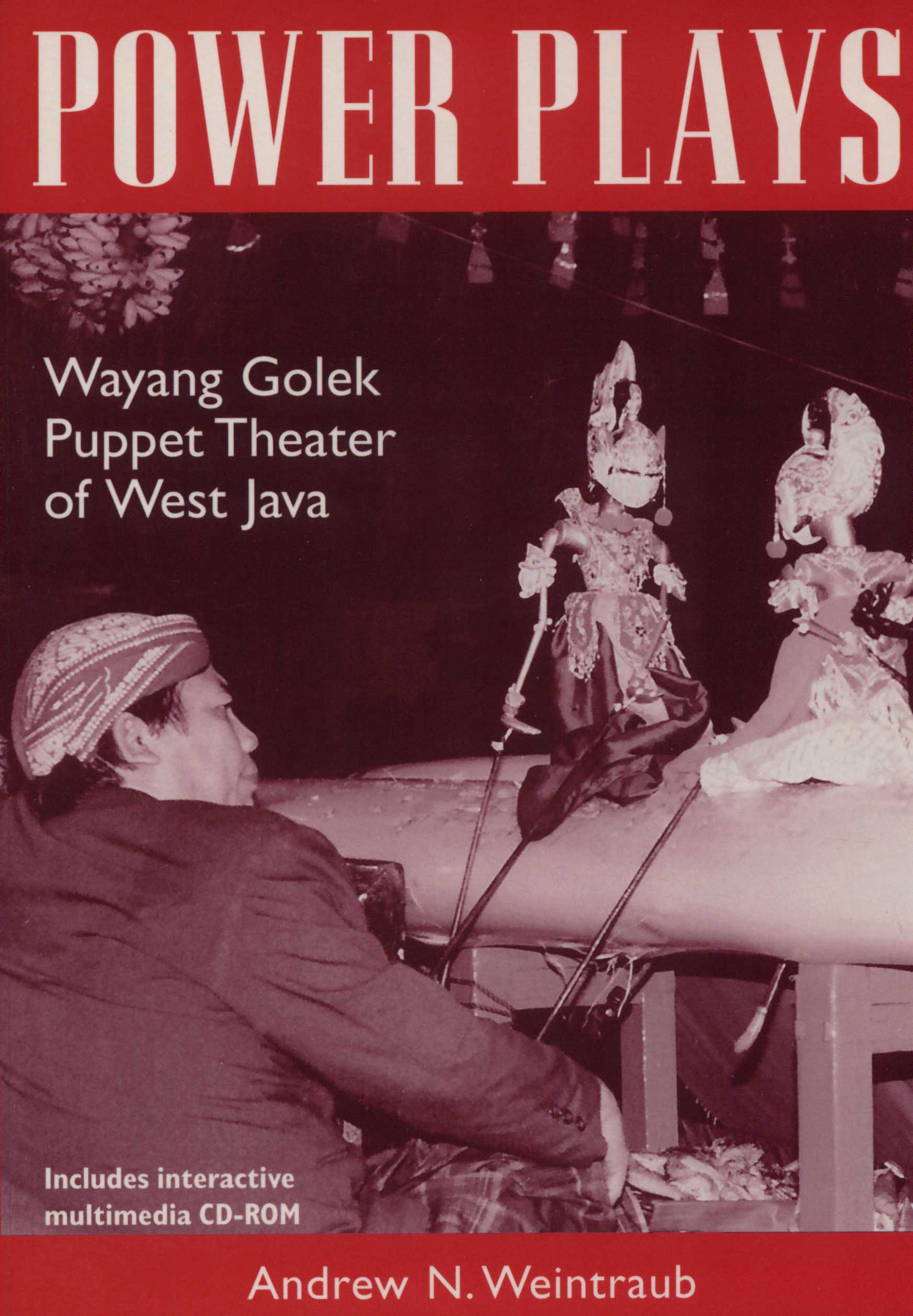
Based on ethnographic fieldwork spanning twenty years, Power Plays is the first scholarly book in English on wayang golek, the Sundanese rod-puppet theater of West Java. It is a detailed and lively account of the ways in which performers of this major Asian theatrical form have engaged with political discourses in Indonesia. Wayang golek has shaped, as well, the technological and commercial conditions of art and performance in a modernizing society.
Using interviews with performers, musical transcriptions, translations of narrative and song texts, and archival materials, author Andrew N. Weintraub analyzes the shifting and flexible nature of a set of performance practices called Padalangan, the art of the puppeteer. He focuses on “superstar” performers and the musical troupes that dominated wayang golek during the New Order political regime of former president Suharto (1966-98) and the ensuing three years of the post-Suharto period. Studies of actual performances illuminate stylistic and formal elements and situate wayang golek as a social process in Sundanese culture and society. Power Plays includes an interactive multimedia CD-ROM of wayang golek.
Power Plays shows how meanings about identity, citizenship, and community are produced through theater, music, language, and discourse. While based in ethnographic theory and methods, this book is at the center of a new synthesis emerging among ethnomusicology, anthropology, and cultural studies. Its cross-disciplinary approach will inspire researchers studying similar struggles over cultural authority and popular representation in culture and the performing arts.